
Discover Effective Exterior Waterproofing Methods for Basements
Basement waterproofing is essential for protecting your foundation from water damage. At LDry Basement Waterproofing Lansing, we understand how water can harm concrete, weaken soil support, promote mildew growth, and cause foundation cracks. As your trusted basement waterproofing company in Lansing, MI, we help homeowners and businesses prevent water intrusion before it compromises their structures.
In this post, we’ll cover how outside water affects your basement, the prep needed before waterproofing, proven waterproofing techniques, essential exterior solutions, and tips for installation and upkeep. Our approach focuses on protecting your foundation from groundwater pressure, heavy rains, and poor grading. With practical advice and expert know-how, we’re here to help you keep your basement dry and secure for the long haul.
Key Takeaways
- We explain how external water sources, including soil infiltration and drainage issues, impact basement integrity.
- We detail preparation steps before waterproofing, including excavating and cleaning the foundation exterior.
- We review various exterior waterproofing methods such as liquid membranes, sheet barriers, cementitious coatings, and bentonite clay systems.
- We provide actionable techniques like installing french drains, using dimple drainage boards, and correcting landscape grading.
- We emphasize proper installation, backfilling, and regular maintenance for lasting protection.
Understanding External Water Sources Affecting Your Basement
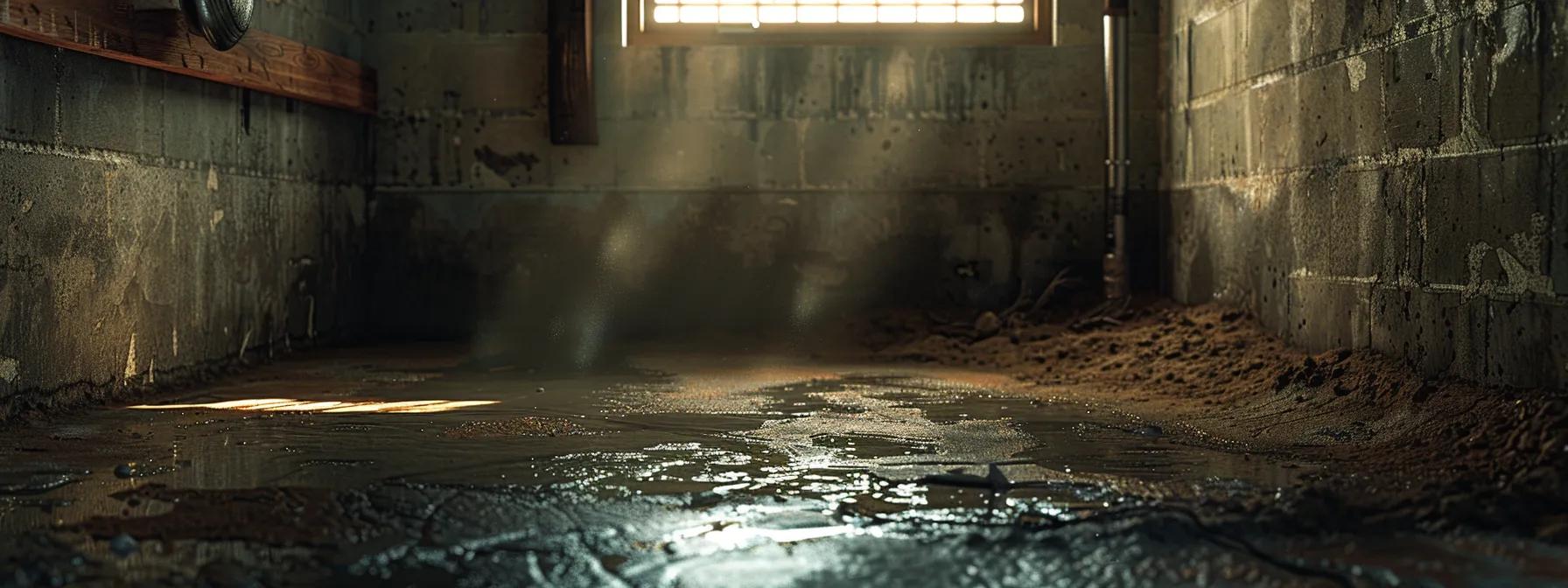
Water can sneak into your basement through several routes. Rain, melting snow, or irrigation can pool around the foundation and seep through cracks. The type of soil around your home—whether clay, silt, or sand—affects how water drains or holds. Poor grading can actually push water toward your basement walls, causing moisture buildup and potential damage.
Another big factor is the water table. When it rises during heavy rain or snowmelt, groundwater finds its way to low spots like basements. This pressure can push water through concrete pores and draw moisture upward, especially if exterior surfaces aren’t sealed or landscape materials break down.
Excess moisture leads to condensation, mold, and mildew inside your basement, hurting air quality and health. By pinpointing external water sources—like cracks, faulty drainage, or poor soil grading—we can customize our approach.
At LDry Basement Waterproofing Lansing, we carefully evaluate soil and grading before starting any work to tackle the problem at its source. As your trusted basement waterproofing expert, we focus on smart solutions for basement waterproofing Lansing MI that protect your home long-term.
Preparing the Foundation Exterior for Waterproofing Treatment
At LDry Basement Waterproofing Lansing, proper preparation is key to effective exterior basement waterproofing. We start by excavating soil to expose your foundation, then thoroughly clean away grime and old sealants for better adhesion.
We carefully inspect and repair cracks—sealing small ones and reinforcing larger ones—to block water entry points. Finally, we ensure the surface is smooth and free of damage to help our basement waterproofing solutions bond securely. For trusted basement waterproofing Lansing MI, our exterior basement waterproofing process offers durable, long-lasting protection.
Exploring Effective Exterior Waterproofing Methods for Basements
At LDry Basement Waterproofing Lansing, we know that choosing the right approach is essential for keeping your basement dry and protected. That’s why our professional basement waterproofing services in Lansing MI use durable, cost-effective solutions tailored to your home’s needs. From liquid-based membranes that form flexible, seamless barriers to sheet-based systems that create a continuous shield against moisture, we ensure every foundation stays secure.
We also offer cementitious coatings ideal for masonry walls and bentonite clay systems that adapt to shifting groundwater pressures. Plus, we pay close attention to sealing joints and penetrations with high-quality industrial-grade sealants to block out water completely. With our expertise in basement waterproofing Lansing MI, you can trust us to keep your basement dry and worry-free.
Below is a summary table of these methods:
We assess your basement’s unique conditions before recommending a method or combination of methods to ensure superior protection against moisture and water damage.
Implementing Key Exterior Waterproofing Techniques for Basements and Foundations
When it comes to basement waterproofing Lansing MI, effective exterior solutions go beyond just installing barriers. We focus on managing water before it even reaches your foundation by installing exterior french drains or footing drain systems. These cleverly designed networks of perforated pipes in gravel trenches divert surface water away, easing pressure on your basement walls. To further protect your foundation, we use dimple drainage boards that create a crucial air gap, guiding water down to the drainage system instead of letting it pool against your walls.
We also pay close attention to the landscape around your home—making sure the soil slopes away with at least a 2% grade to prevent water buildup. Our approach includes regrading, adding gravel beds, and integrating gutters and downspouts to efficiently channel roof runoff. Plus, we don’t overlook window wells, recommending covers or built-in drainage to keep water from collecting and causing damage. With professional basement waterproofing tailored to Lansing’s unique conditions, we help keep your basement dry and your foundation safe.
Completing the External Waterproofing Installation Process
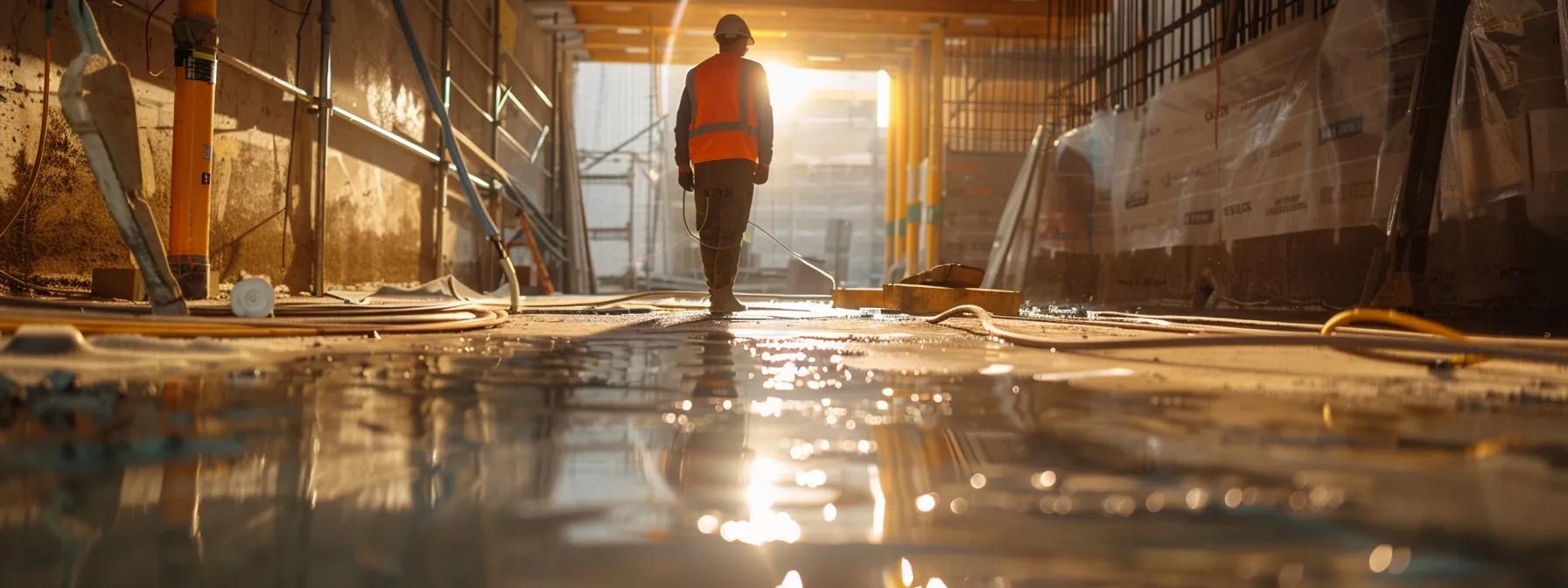
After applying waterproofing treatments and drainage solutions, the final installation process is crucial for long-term protection. One vital step is carefully backfilling against the waterproofed foundation. We use clean, granular aterial that reinforces the waterproofing membrane and prevents further water penetration. Next, proper soil compaction is essential. As we backfill, we compact the soil in layers, eliminating voids that could later allow water accumulation. Mechanical compactors and testing methods help ensure consistent compaction throughout the process. During landscaping, we apply a protective barrier—often drainage fabric—between the waterproofing layer and final topsoil or mulch. This barrier prevents damage from landscaping activities or foot traffic. A final inspection is conducted by our professionals to check all seams, joints, and penetrations. They simulate heavy rain conditions to test drainage efficiency and address any deficiencies immediately.
The following table summarizes these final steps:
Following these best practices guarantees that our waterproofing installation exceeds industry standards and provides lasting basement protection.
Maintaining Your Outside Basement Waterproofing System
Even the best exterior waterproofing can wear down over time, so regular upkeep is key to keeping your basement dry. We recommend at least yearly inspections and extra checks after heavy rain or freeze-thaw cycles. During these visits, we look for cracks, peeling, or other damage to the waterproofing membrane and make sure drainage systems like gutters and french drains are clear to prevent water buildup around your foundation.
Understanding the lifespan of different waterproofing methods helps you plan ahead—for example, liquid membranes usually need reapplication every 10 to 15 years. We suggest a routine maintenance checklist: clean gutters and drains twice a year, inspect your basement and waterproofing annually, and schedule a professional basement waterproofing evaluation every 3 to 5 years or after major storms. With these steps, our team at LDry Basement Waterproofing Lansing ensures your home stays protected with effective, professional basement waterproofing Lansing MI.
Frequently Asked Questions
Q: How does water infiltration occur in basements? A: Water infiltration occurs when external sources like rainwater or groundwater gather around the foundation. Poor grading or inadequate drainage leads to water seeping through cracks and porous concrete, causing moisture issues and structural damage.
Q: What is the primary difference between liquid-based membranes and sheet barriers? A: Liquid-based membranes provide a seamless, flexible coating that addresses surface imperfections, while sheet barriers offer a thicker, physical layer that is more robust under high hydrostatic pressure.
Q: Why is proper soil compaction important after waterproofing? A: Proper compaction eliminates voids behind the membrane, preventing water accumulation and ensuring the enduring integrity of the waterproofing system.
Q: How often should exterior waterproofing maintenance be performed? A: We recommend inspecting the system at least once a year and after major weather events. Routine cleaning should occur every six months, with professional evaluations every 3-5 years or when noticeable damage appears.
Q: Can exterior waterproofing methods help with existing basement water problems? A: Yes, exterior waterproofing addresses the root cause of water infiltration by sealing vulnerabilities and integrating drainage systems. However, its success depends on proper installation, repair of existing damage, and ongoing maintenance.
Q: What indicators suggest it is time to reapply or repair waterproofing treatments? A: Indicators include visible cracks, peeling or blistering of the membrane, water pooling around the foundation, and rising basement moisture or mold levels. If noticed, schedule a professional inspection promptly.
Q: How do drainage systems like French drains work in conjunction with exterior waterproofing? A: French drains capture and divert surface water away from the foundation, reducing hydrostatic pressure. When paired with exterior waterproofing, they help maintain a dry perimeter essential for long-term protection.
In summary, effective exterior waterproofing involves thorough preparation, careful selection of materials, meticulous installation, and regular maintenance. At LDry Basement Waterproofing Lansing, we combine over 20 years of experience with state-of-the-art techniques to keep your basement dry and structurally sound. Through targeted assessment of external water sources, efficient drainage measures, and robust sealing methods, we provide comprehensive solutions tailored to every property. Our aim is to defend your home against water damage while enhancing its overall durability and value.